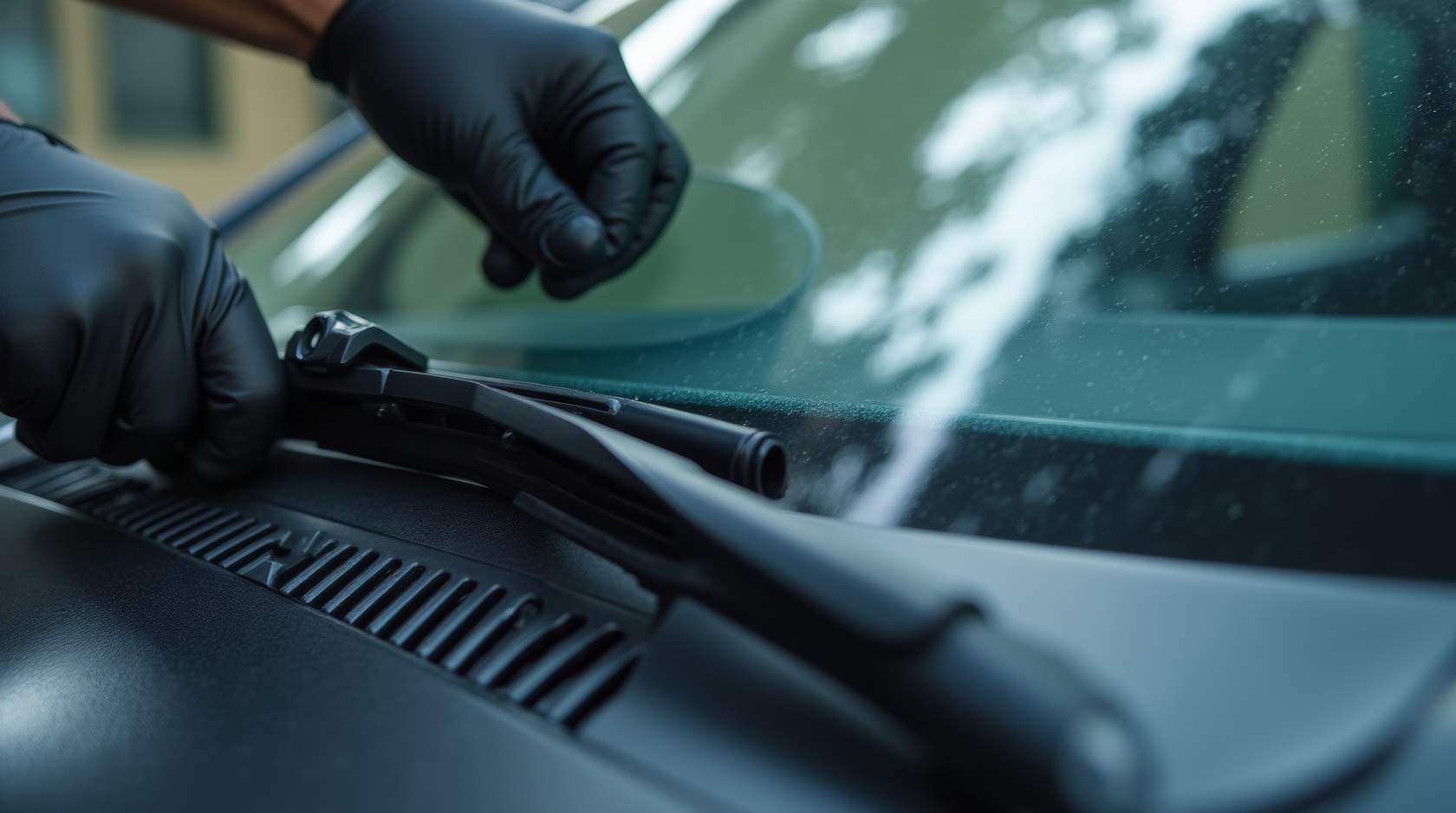
This course covers the “how-to” of replacing windshield wipers, wiper usage in different kinds of inclement weather and the best practices for wiper health. This is for anyone who engages in inclement weather.
Time
This course will take approximately 10 minutes to complete.
Navigating This Course
This course is mobile friendly. You can take it on your phone or on a computer. Select the cards below for tips on taking this course on your phone.
Click the magnifying glass icon (+) to zoom in and click again to return to normal size.
When you see a "CONTINUE" button, select it to unlock the next section of the course.
Rotate your phone for better access to course content.
Windshield Wiper Usage
Wiper Usage During Inclement Weather
Use wipers in inclement weather when raining, snowing, sleeting, or hailing.
Summer
Summer blades are lightweight and thin.
Thin layer of rubber, when it warms up makes contact with windshield.
Winter
Winter wipes blades are bigger and sturdier so they can take on inclement weather all winter long.
Thick rubber with no exposed parts to get clogged with snow and ice.
Best Practices
Change wipers with every changing season and/or when worn out for greater driving visibility.
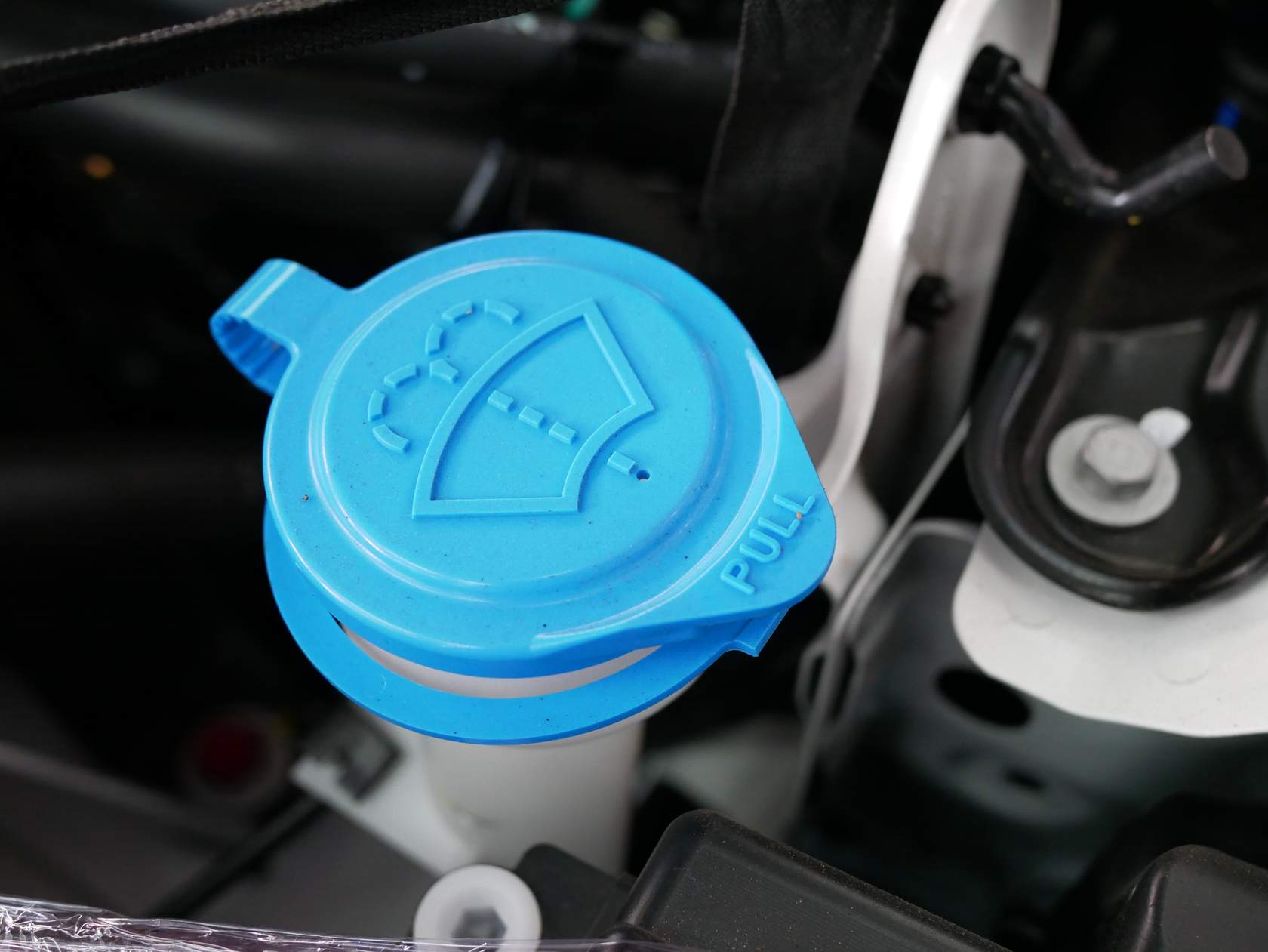
Windshield wiper fluid applies water beading technology to your windshield for greater driving visibility. RainX is widely considered the most effective windshield wiper fluid.
Wiper Replacement Steps
Recap
To continue, check each box to confirm you have read each important key takeaway below:
Change wipers with changing seasons and/or when worn out.