
Mccoy

Overview

This course shares maintenance tips for different filters used in vehicles including fuel filters, engine oil filters, diesel particulate filters, and air and cabin filters. Preventative maintenance can help drivers operate their vehicle safely and avoid unplanned maintenance delays.

Time

This course will take approximately 10 minutes to complete. 

Navigating This Course

This course is mobile friendly. You can take it on your phone or on a computer. Select the cards below for tips on taking this course on your phone.

Click the magnifying glass icon (+) to zoom in and click again to return to normal size.
When you see a "CONTINUE" button, select it to unlock the next section of the course.
Rotate your phone for better access to course content.
Fuel Filters

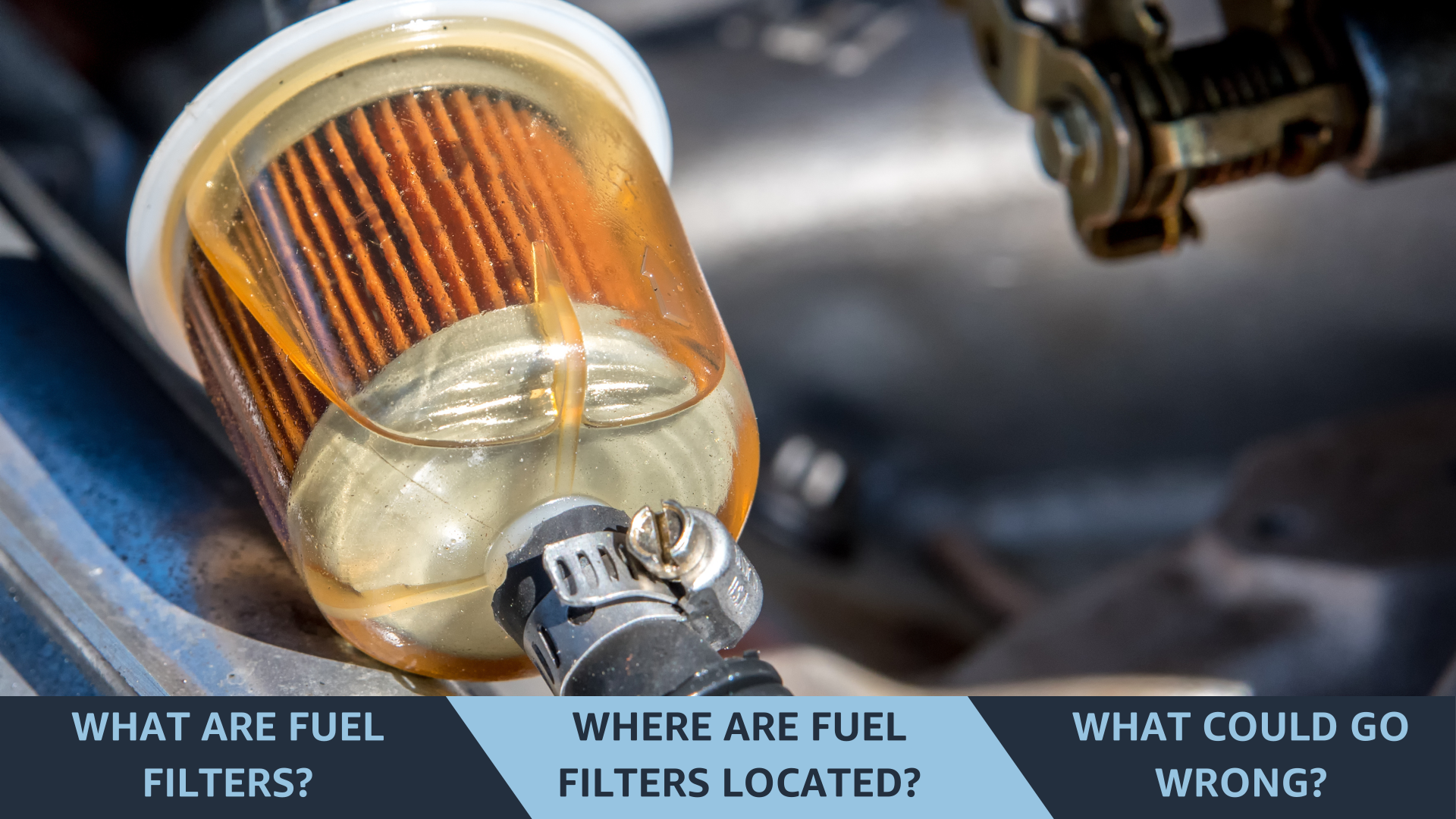
Fuel Filters are a critical component within your vehicle that keeps your engine running properly.

Press each (+) marker to learn about fuel filters.
Maintenance

There are several considerations to account for when it comes to maintaining the fuel filters on your vehicle.

Press the (+) icon to view the best practices for maintaining your fuel filters.

As a general guideline, fuel filters are typically replaced at regular intervals or after a certain number of miles/kilometers driven. This interval can range from every 20,000 to 50,000 miles (32,000 to 80,000 Kilometers) for most vehicles. However, it is important to note that certain factors, such as driving in dusty or dirty environments or using low-quality fuel, may require more frequent fuel filter changes. It is essential to consult the specific guidelines provided in the vehicle’s owner’s manual or follow the recommendations of the manufacturer.

We recommend making sure fuel filters are a part of the regularly scheduled preventative maintenance intervals.

Different fuel sources have different filtration systems pre-pump. Clean fuel from the source will help alleviate the work the fuel filter will have to do.

If you experience any symptoms of fuel pump failure, it is advisable to have the fuel filter inspected and replaced if necessary. Remember to follow the manufacturer’s recommendations and consult a qualified mechanic for proper maintenance and replacement of fuel filters.

Drain the primary separation chambers in filter assemblies to remove accumulated water and contaminants.

Double-check that the element micron rating meets the engine manufacturer’s specifications is recommended.

Additives such as HEET can help combat water being present in fuel.

Engine Oil Filters

Oil filters are a critical component within your vehicle that filters contaminants and impurities from your engine’s oil.

Press each (+) marker to learn about oil filters.

Maintenance

There are several considerations to account for when it comes to maintaining the oil filters on your vehicle.

Press the (+) icon to view the best practices for maintaining your oil filters.

Consult the vehicle’s owner manual for the manufacturer’s recommended maintenance schedule, as they provide specific guidelines for filter replacement.

If you frequently drive in severe conditions, such as dusty environments or stop-and-go traffic, the oil and filter may require more frequent changes. These conditions can increase the rate at which the oil and filter become contaminated.

Oil filters should be changed with every oil fluid change.

It is important to use high-quality oil filters that are compatible with the specific vehicle make and model to maintain the efficiency of the lubrication system.

Diesel Particulate Filters (DPF)

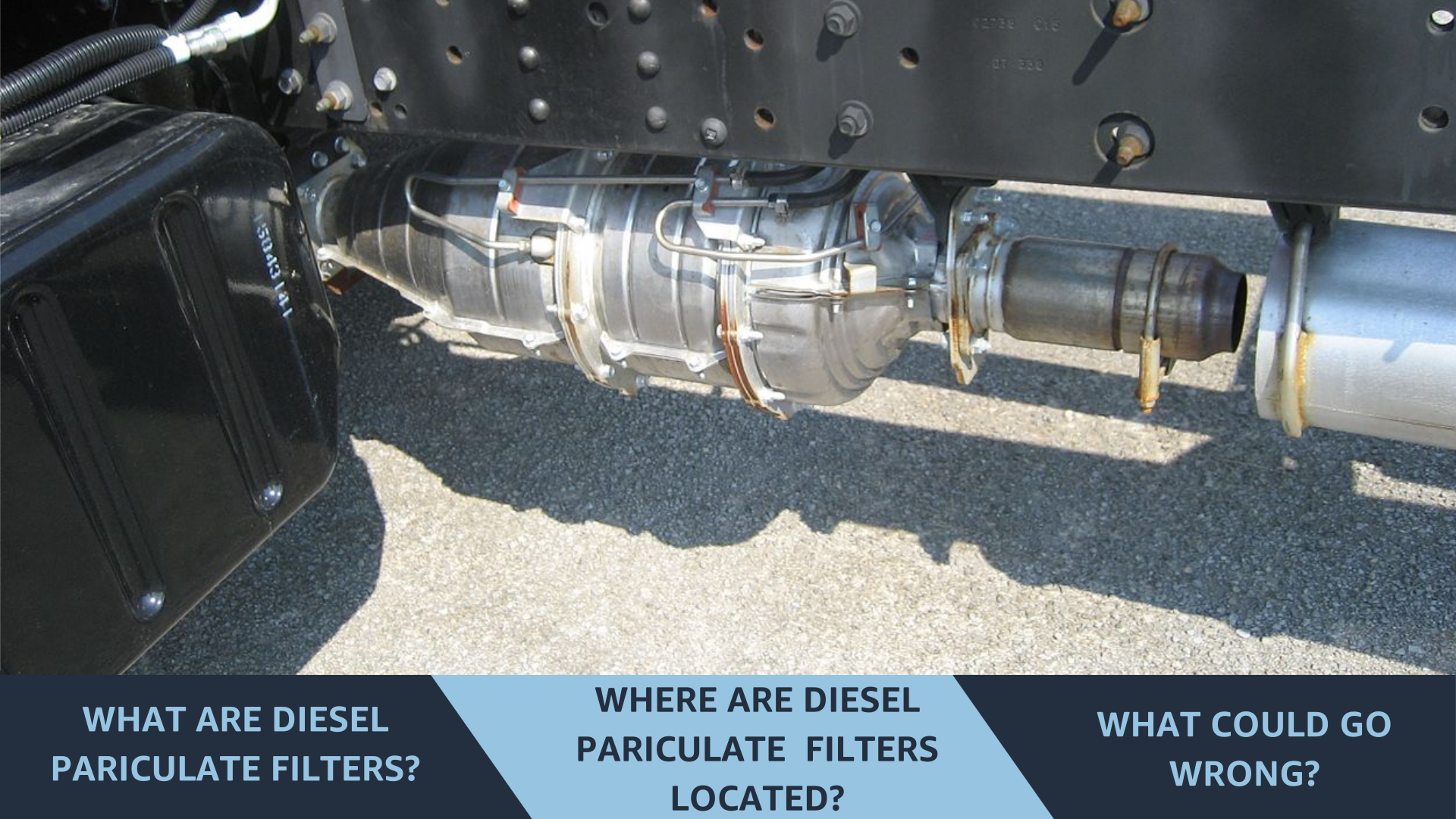
A Diesel Particulate Filter (DPF) is a device designed to remove diesel particulate matter or soot from the exhaust gas of a diesel engine. 

Press each (+) marker to learn about diesel particulate filters.
Maintenance

There are several considerations to account for when it comes to maintaining the oil filters on your vehicle.

Press the (+) icon to view the best practices for maintaining your oil filters.

An orange DPF warning light usually displays if the diesel particulate filter is clogged. This has an easy enough fix. Drive the vehicle at a constant speed so the DPF can turn excess soot to ash.

If the warning light is red, it could be a more serious problem or DPF damage. Consult a professional.

Some manufacturers are different, so it’s best to check the specific signs and dashboard lights the vehicle will display, but general tips for when the vehicle is being regenerated are:

  1. Continue to drive on roads that permit at least 40 mph (65 kph)
  2. Drive for at least 30 minutes or until the DPF light has gone away
  3. Do not turn off the vehicle or allow it to idle for a long time

Be cautious of the fuel level. Regens use more fuel than regular running

If maintained well and driven for longer journeys, a DPF should last up to 100,000 miles (160,000 Kilometers).

Use high quality fuel and oil to prevent contaminants from entering the engine and ultimately clogging the DPF.

We recommend that at least once a week  the vehicle is driven above 40mph (65 kph) for 30 minutes or more.

Air Filters

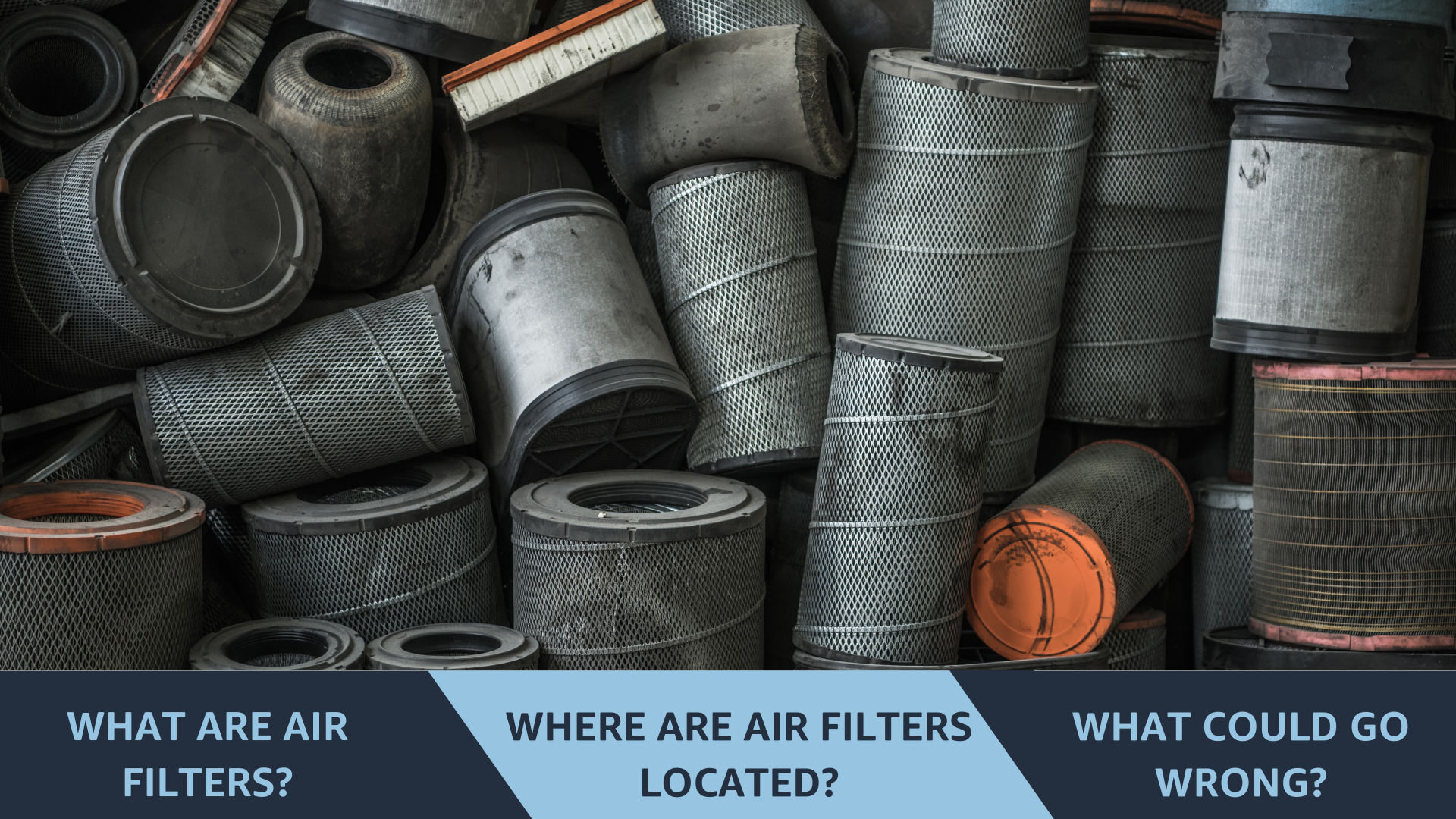
Air Filters prevent harmful contaminants from entering the engine, which helps to prevent damage to engine components, and improves performance.

Press each (+) marker to learn about air filters.
Maintenance

There are several considerations to account for when it comes to maintaining the oil filters on your vehicle.

Press the (+) icon to view the best practices for maintaining your oil filters.

If the air filter is removed even for inspection, it should be replaced. There is a danger of introducing contamination to the engine side of the filter if inspected and not replaced. This contamination could then be pulled into the engine unobstructed, causing potential harm.

A common recommendation is to change the air filter every 12,000 to 15,000 miles (19,000 to 24,000 kilometers) or once a year, whichever comes first. The frequency of changing air filters can vary depending on several factors, including the vehicle make and model, driving conditions, and environmental factors. It’s best to consult the vehicle’s owner’s manual for specific recommendations from the manufacturer.

Cabin Filters

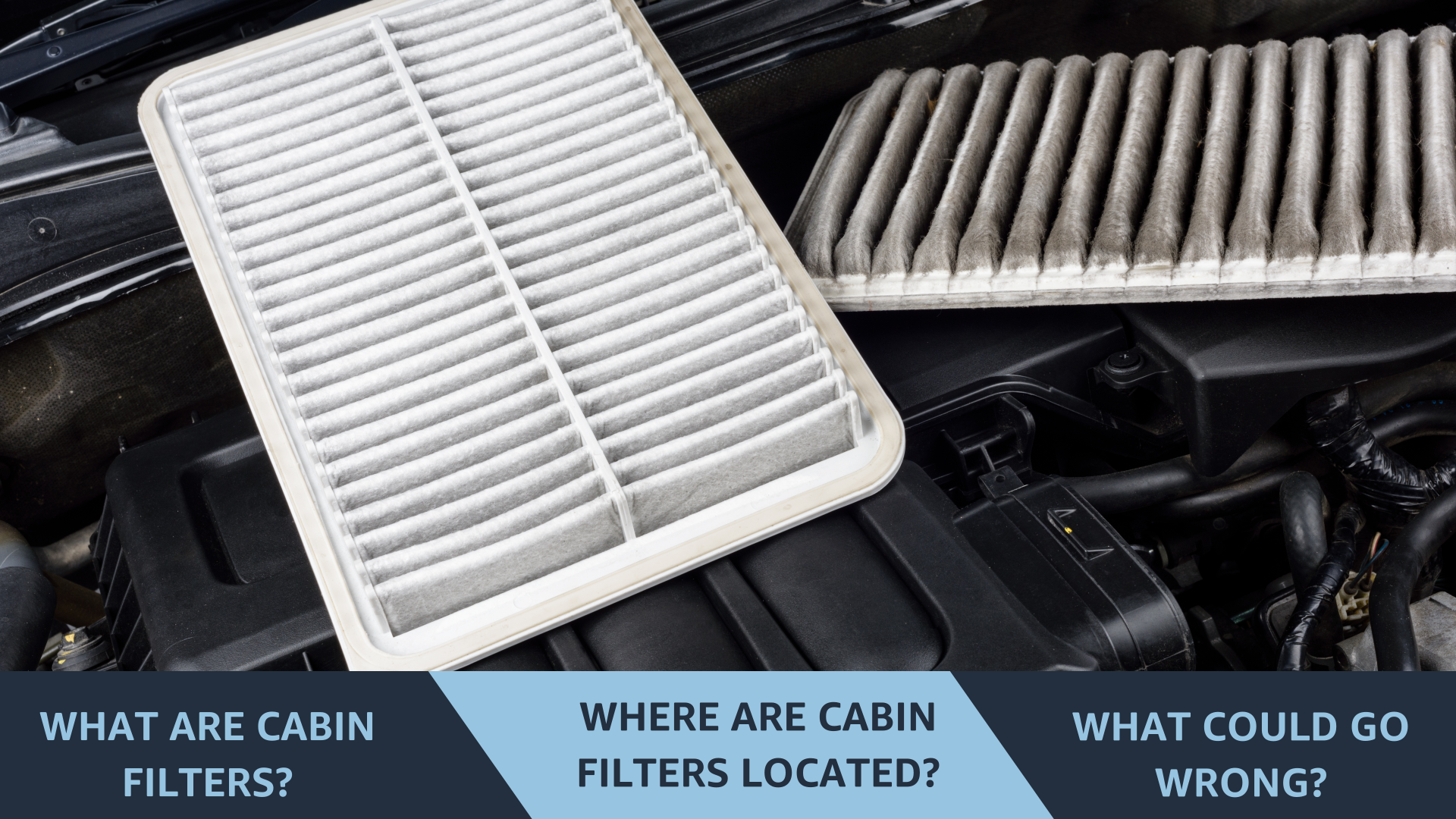
A Cabin Filter is a device designed to help improve air quality, prevent pollutants from entering the vehicle’s interior, and provide a more comfortable and healthier environment for the passengers.

Press each (+) marker to learn about cabin filters.
Maintenance

There are several considerations to account for when it comes to maintaining the oil filters on your vehicle.

Press the (+) icon to view the best practices for maintaining your oil filters.

Seasonal replacement to protect against pollutants created during different times of the year is also recommended for vehicles that regularly experience harsh temperatures or severe climate changes.

Cabin filters are typically replaced every 15,000 to 30,000 miles (24,000 to 48,000 kilometers) or once every one to two years. However, if you frequently drive in areas with high levels of pollutants or if you notice reduced airflow from the vents, unpleasant odors, or increased allergy symptoms, it’s recommended to replace the cabin filter more frequently.