Mccoy

Overview

Amazon branded equipment may differ from carrier owned or rented equipment. Review differences in Amazon branded equipment that should be included in every pre-trip & post-trip inspection.

This short course identifies operational damage and explains the difference between operational damage and cosmetic damage.

Time

This course will take approximately 10 minutes to complete. 

Navigating This Course

This course is mobile friendly. You can take it on your phone or on a computer. Select the cards below for tips on taking this course on your phone.

Click the magnifying glass icon (+) to zoom in and click again to return to normal size.
When you see a "CONTINUE" button, select it to unlock the next section of the course.
Rotate your phone for better access to course content.
Operational Damage

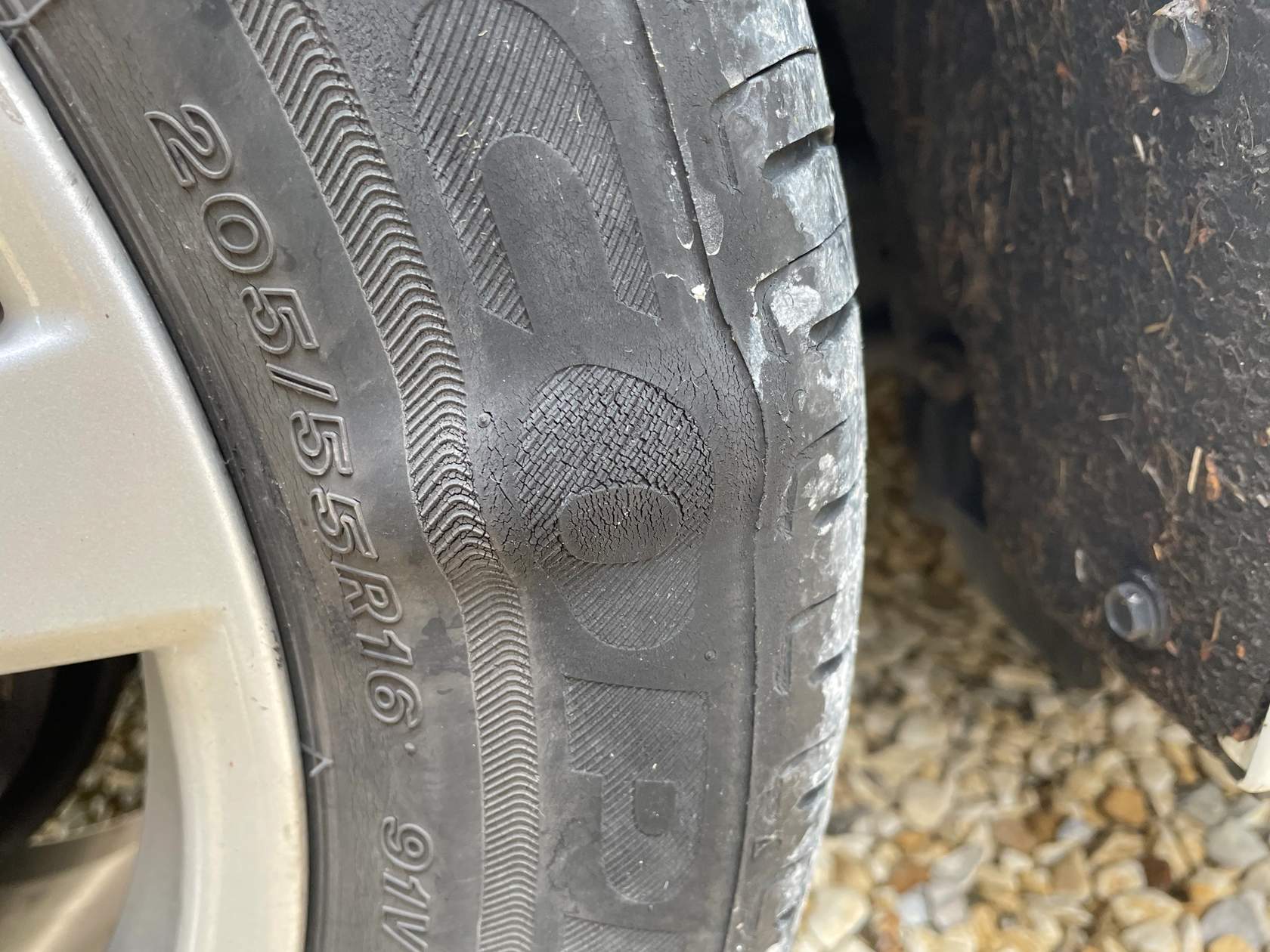
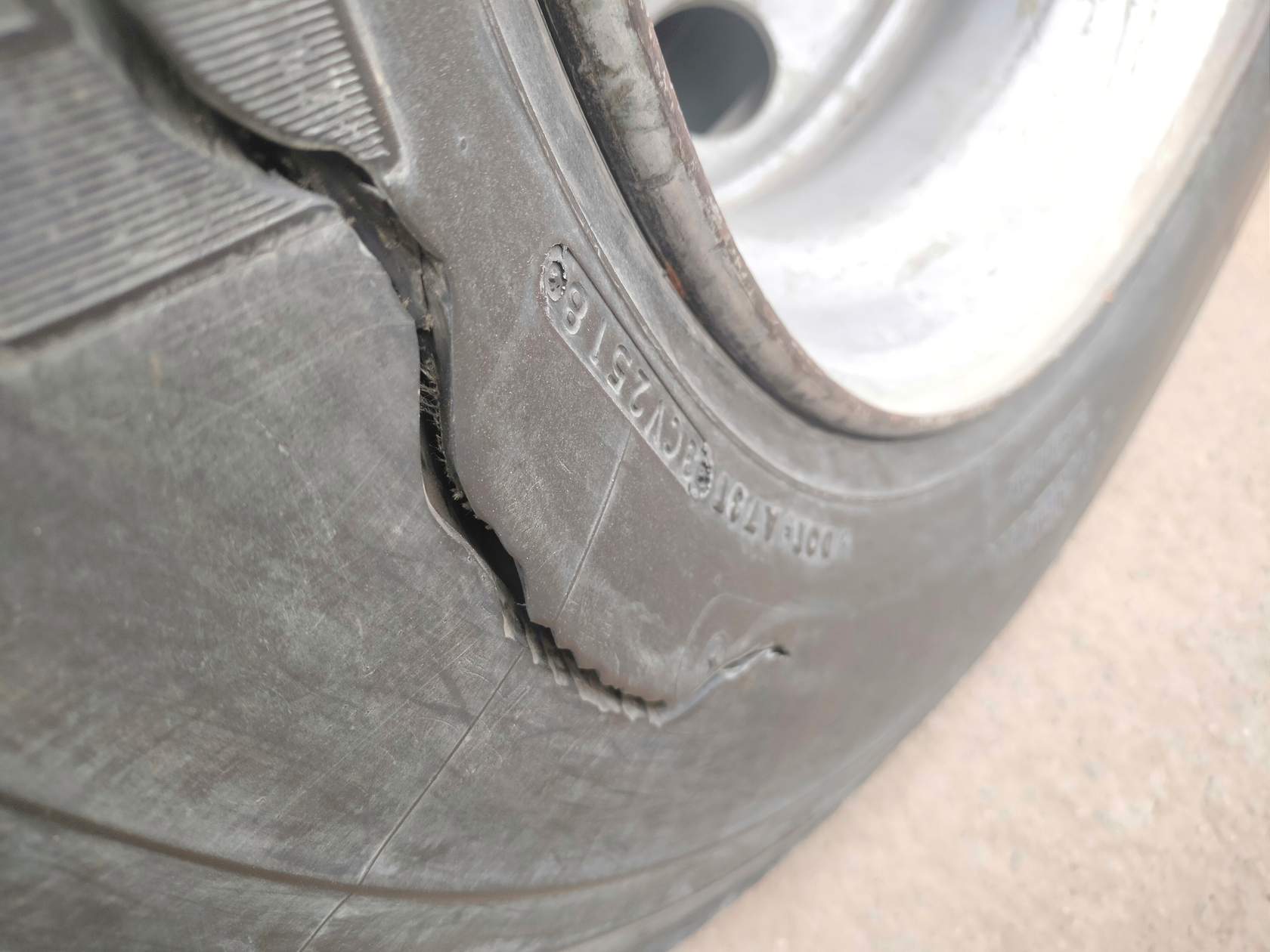
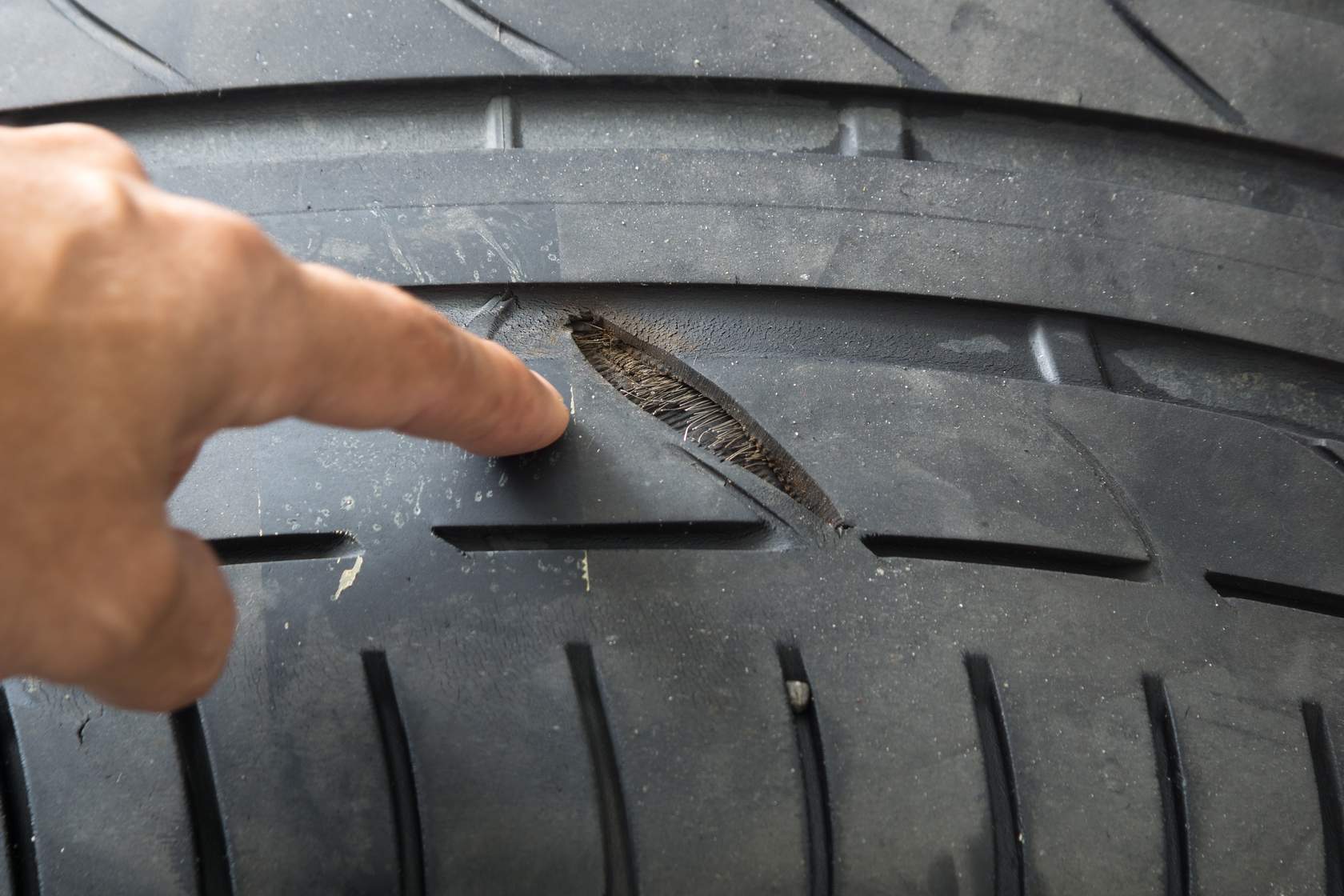
Operational damage is a failure that could affect the safe operation or the equipment. Any operational damage requires the unit to be grounded until the issue is repaired.

Operational damage is a failure that could affect the safe operation or the equipment. Any operational damage requires the unit to be grounded until the issue is repaired.

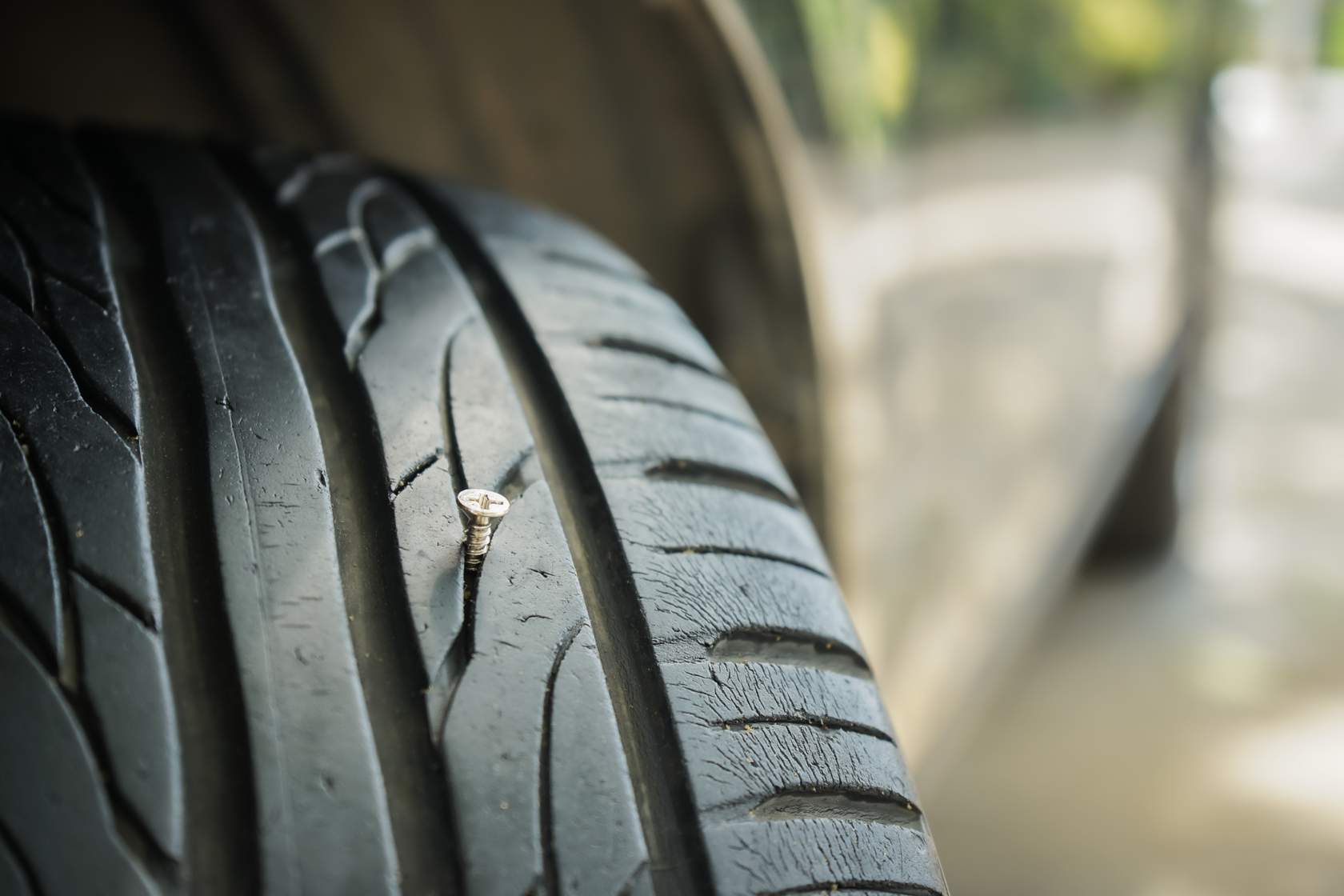
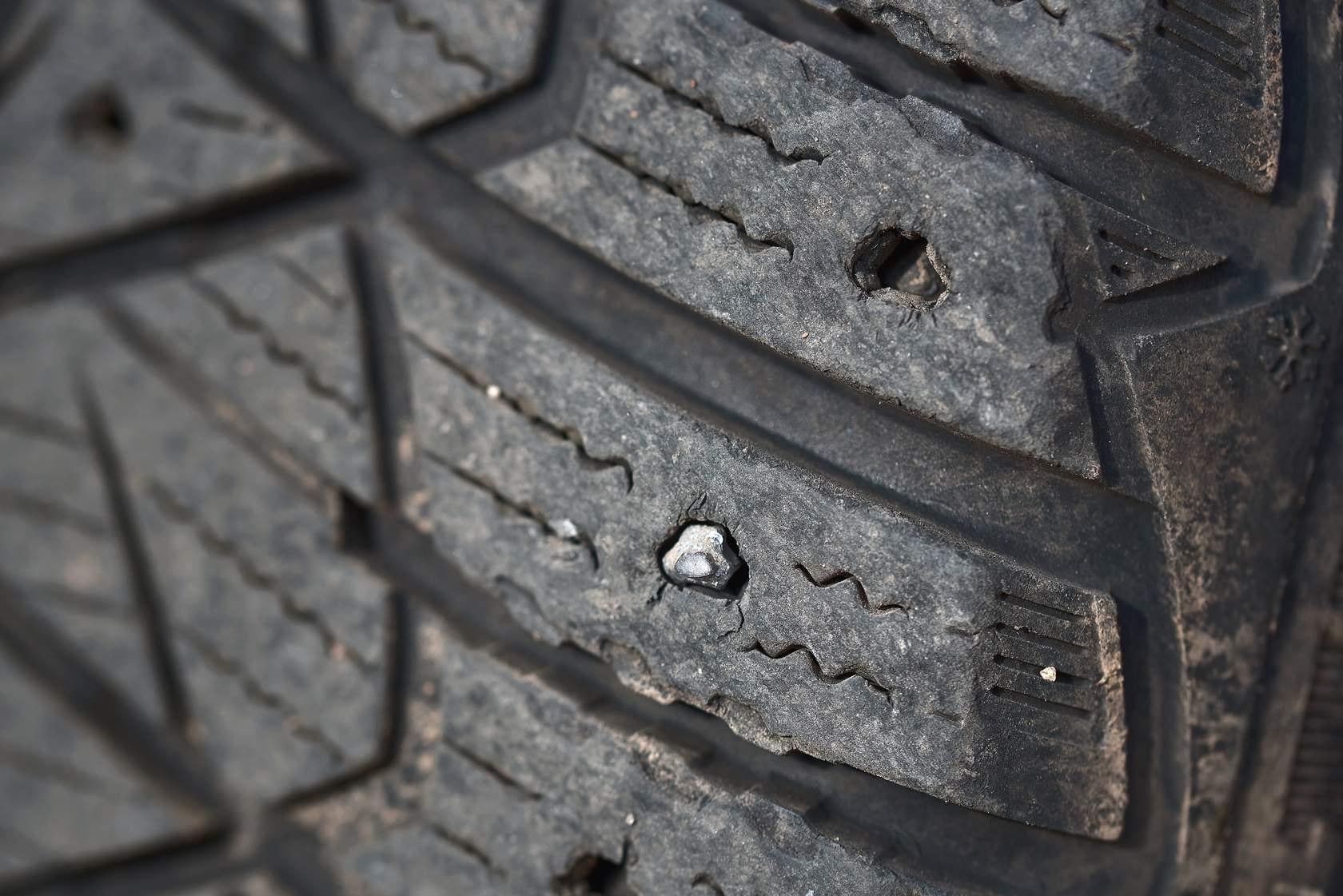
Examples of Failures

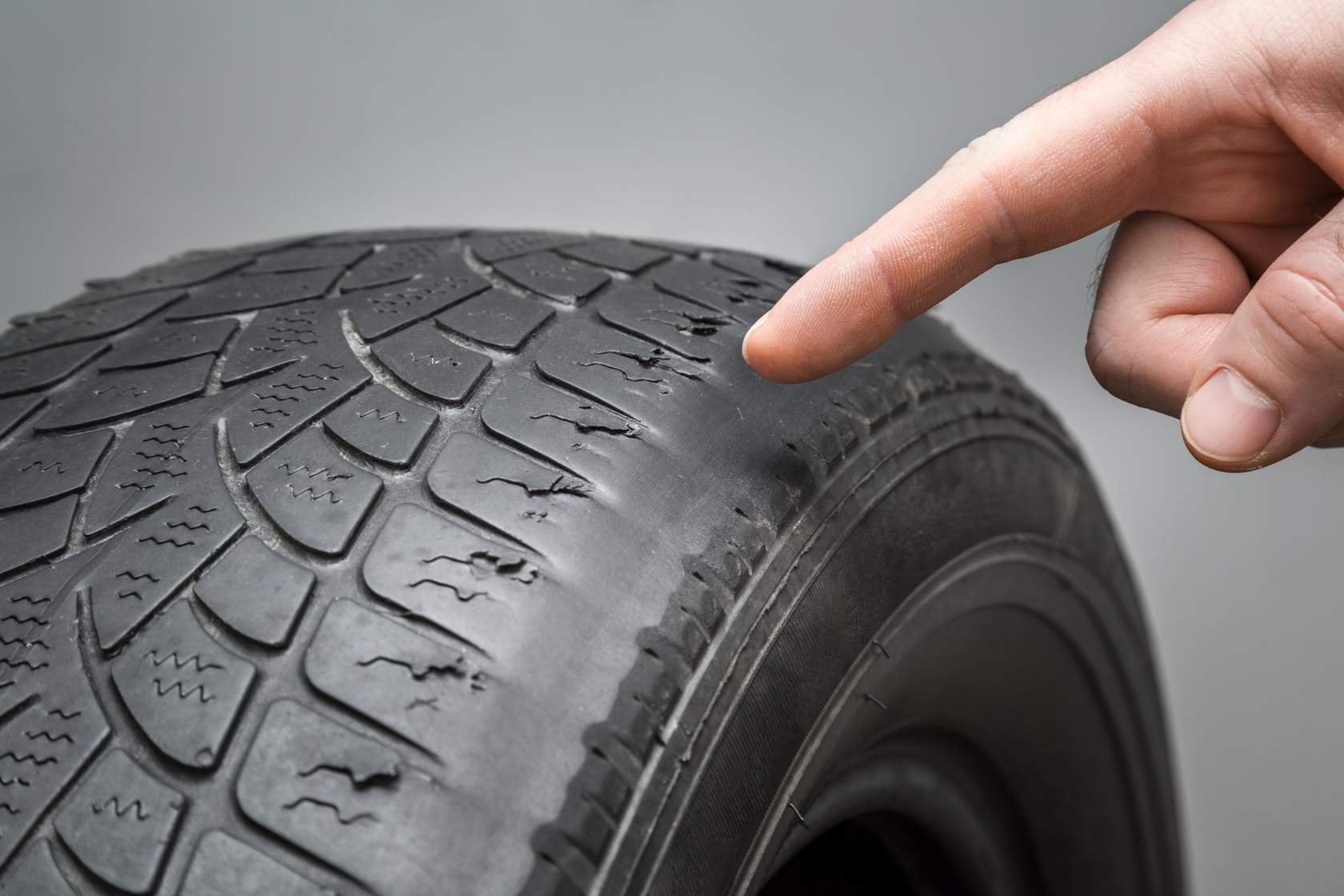
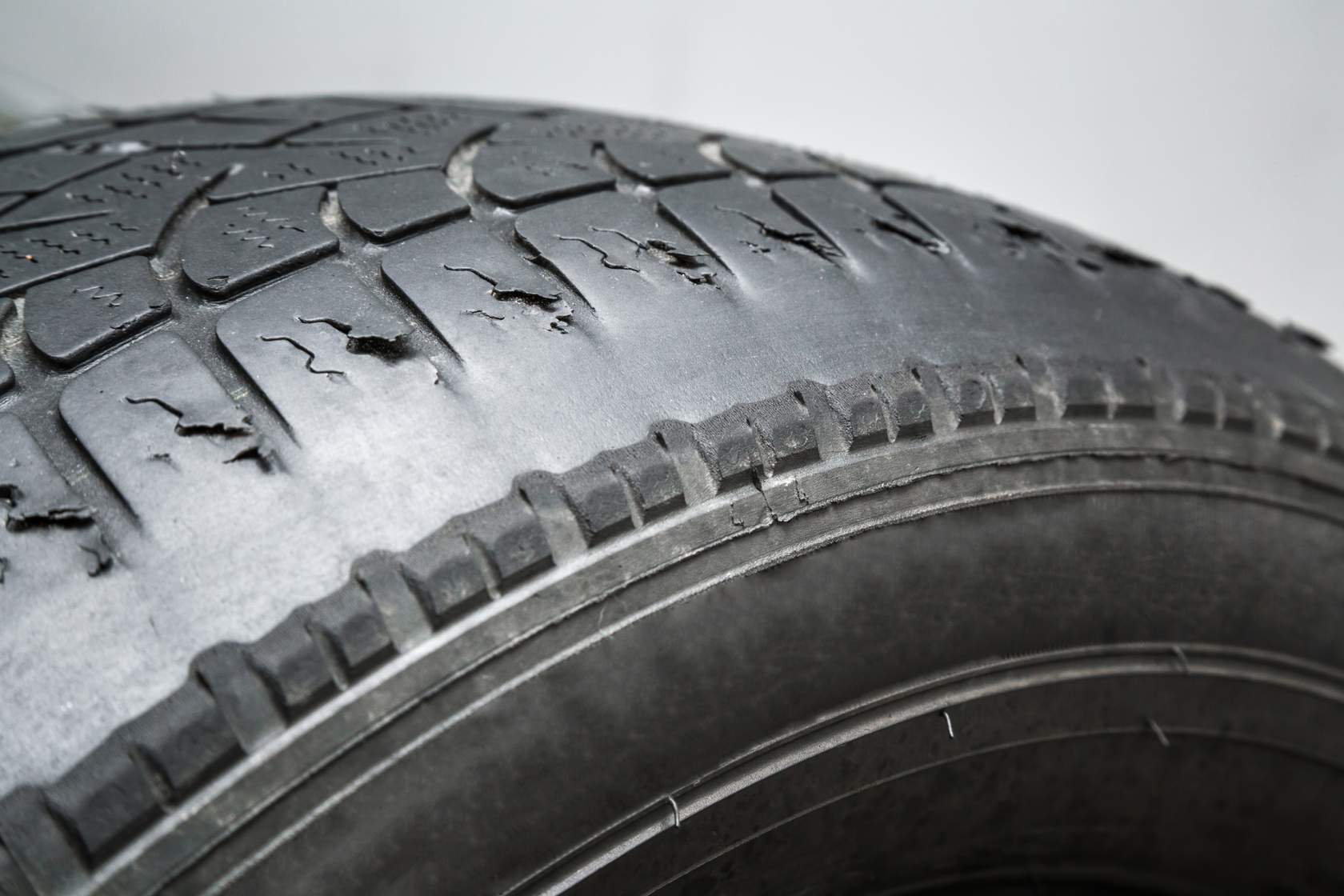
Tread Separation: Any separation (or missing) tire tread from the tire.
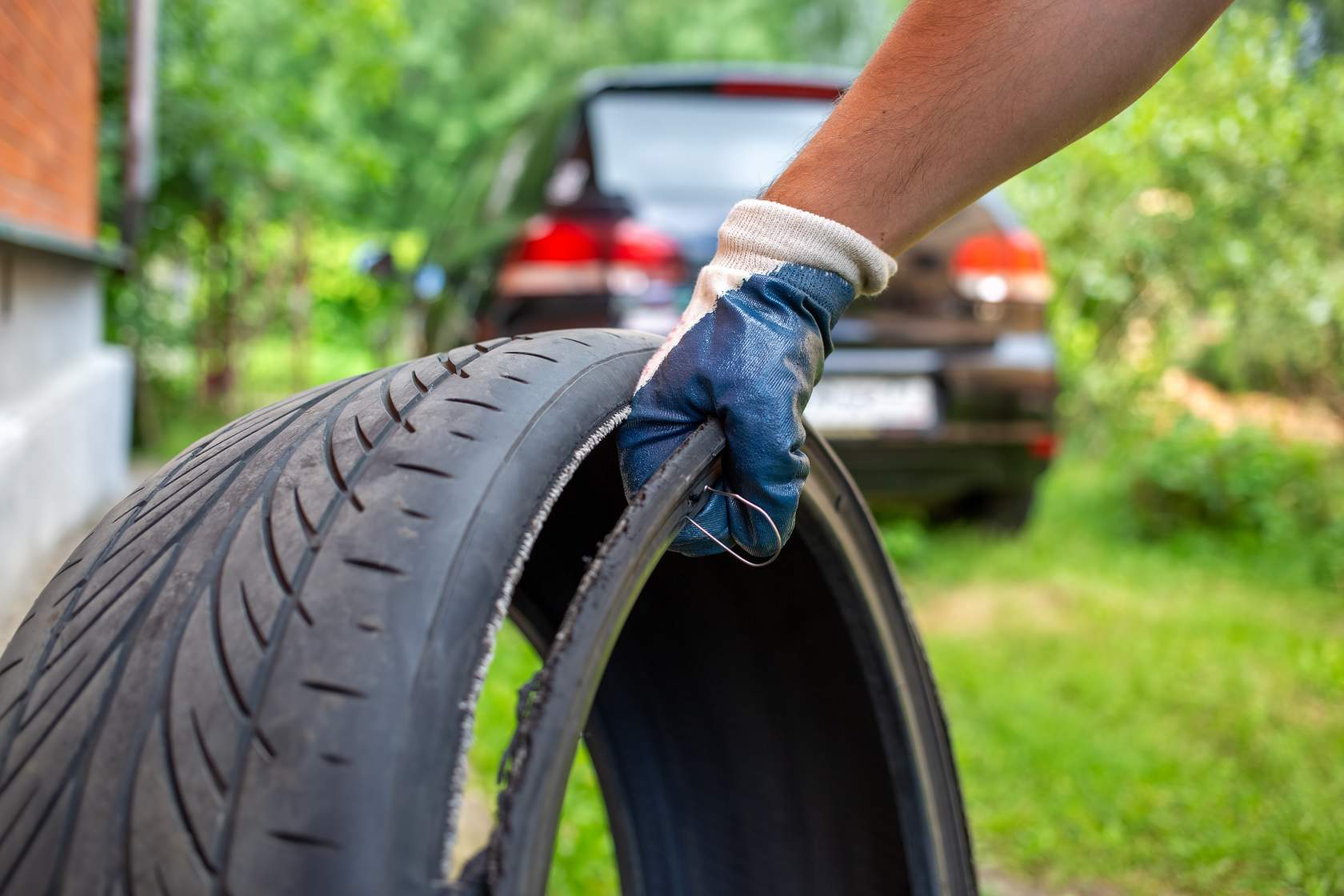
Operational Damage

Note: Cosmetic issues do not impact the operational safety of the unit. The unit can be left in fleet, loaded, and utilized.

Some cosmetic defects to look for include:

  • Side Panels: Cuts in side panels

  • Sky-Lights: Missing/damaged

  • Document Holders: Damaged/leaking

  • Dents: Dents in any section of the trailer panels/header are not operational damage

Press the flashcards below to learn more:

Cut in a panel

Missing skylight

Leaking document cover

Dented panel