Embracing Discovery
Gaining Insight
Making It Real
Embracing Discovery
Every creative endeavor requires that you take risks. If you try and don’t succeed, you’ve still learned something. It took Thomas Edison more than 10,000 tries to invent a viable lightbulb. You’re not failing. You’re discovering what doesn’t work.

Gaining Insight
To spark creativity, feed your brain material like you’re cramming for a tough test. Then stop thinking about the problem you want to solve. Go surfing or take a leisurely walk. Research shows that letting your mind wander fosters creativity.
It’s also found that meditation helps you spot and solve problems in creative ways. It promotes divergent thinking that gets novel ideas flowing. According to these studies, meditation also makes you more open to considering new solutions. Time to breathe.
Making It Real
No creative process is truly complete until it manifests a tangible reality. Whether your idea is an action or a physical creation, bringing it to life will likely involve the hard work of iteration, testing, and refinement.
Just be wary of perfectionism. Push yourself to share your creations with others. By maintaining an open stance, you’ll be able to learn from their feedback. Consider their responses new material that you can draw from the next time you’re embarking on a creative endeavor.
Watch for Warning signs
Use your high beam headlights
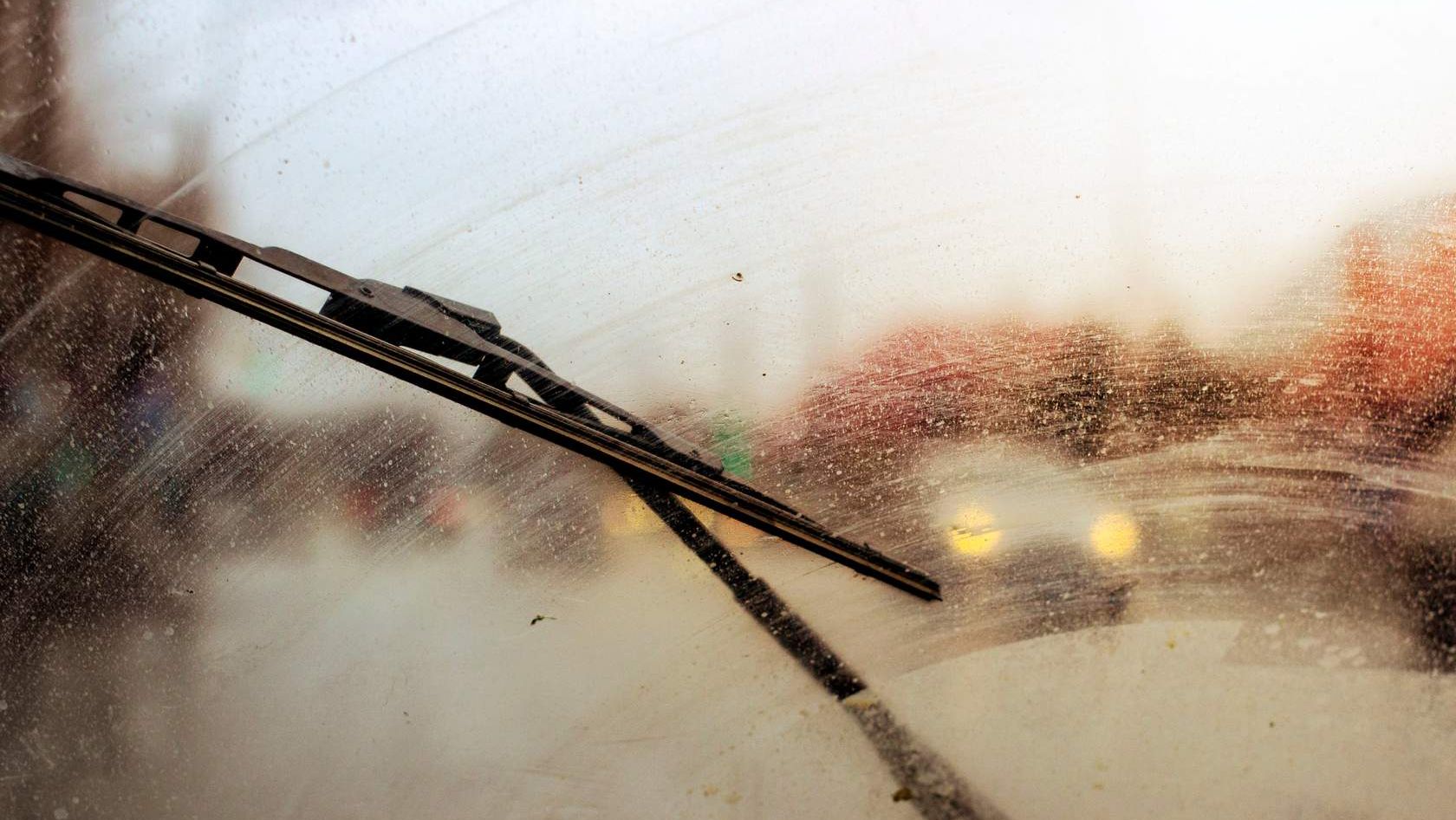
Keep a clean windshield
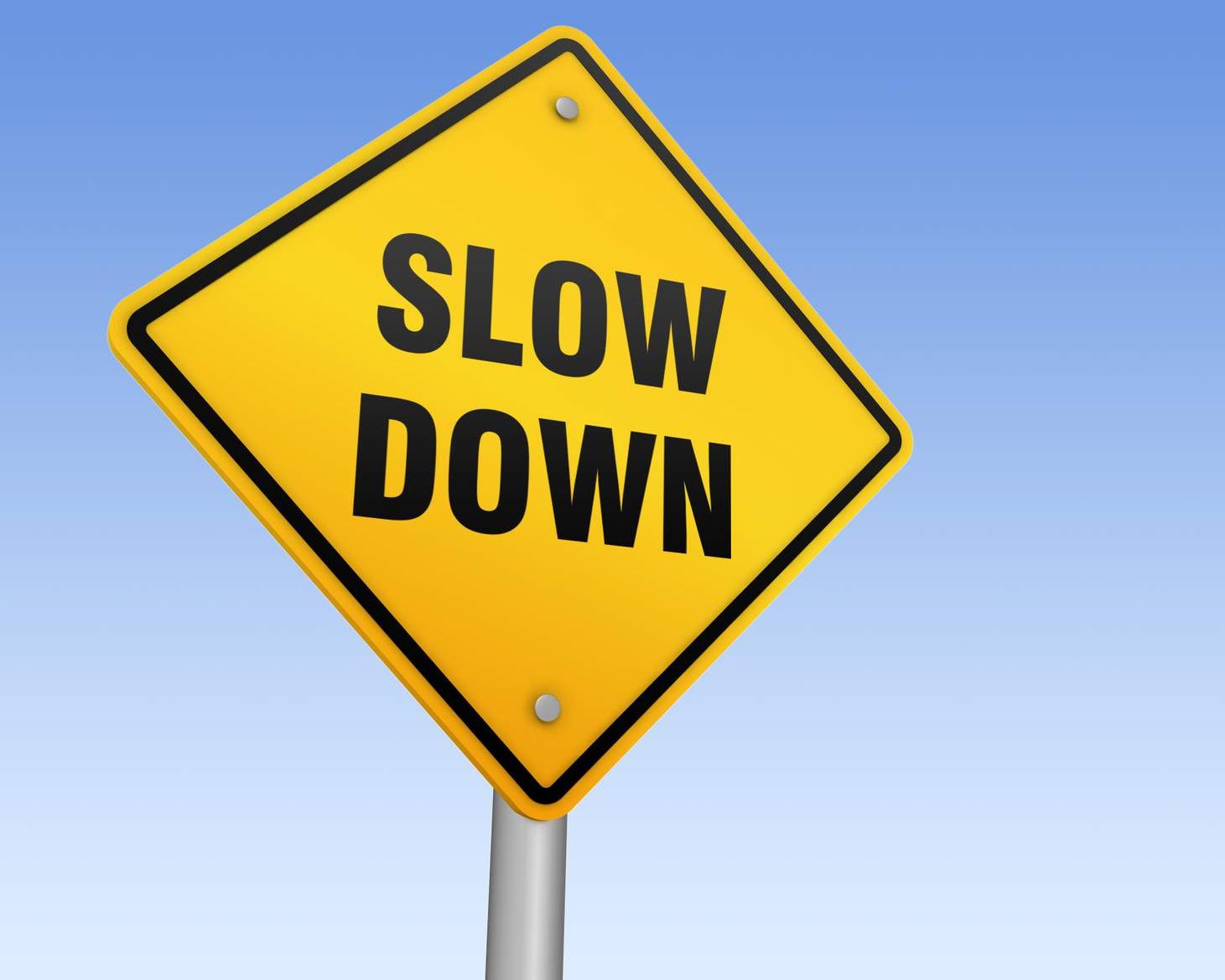
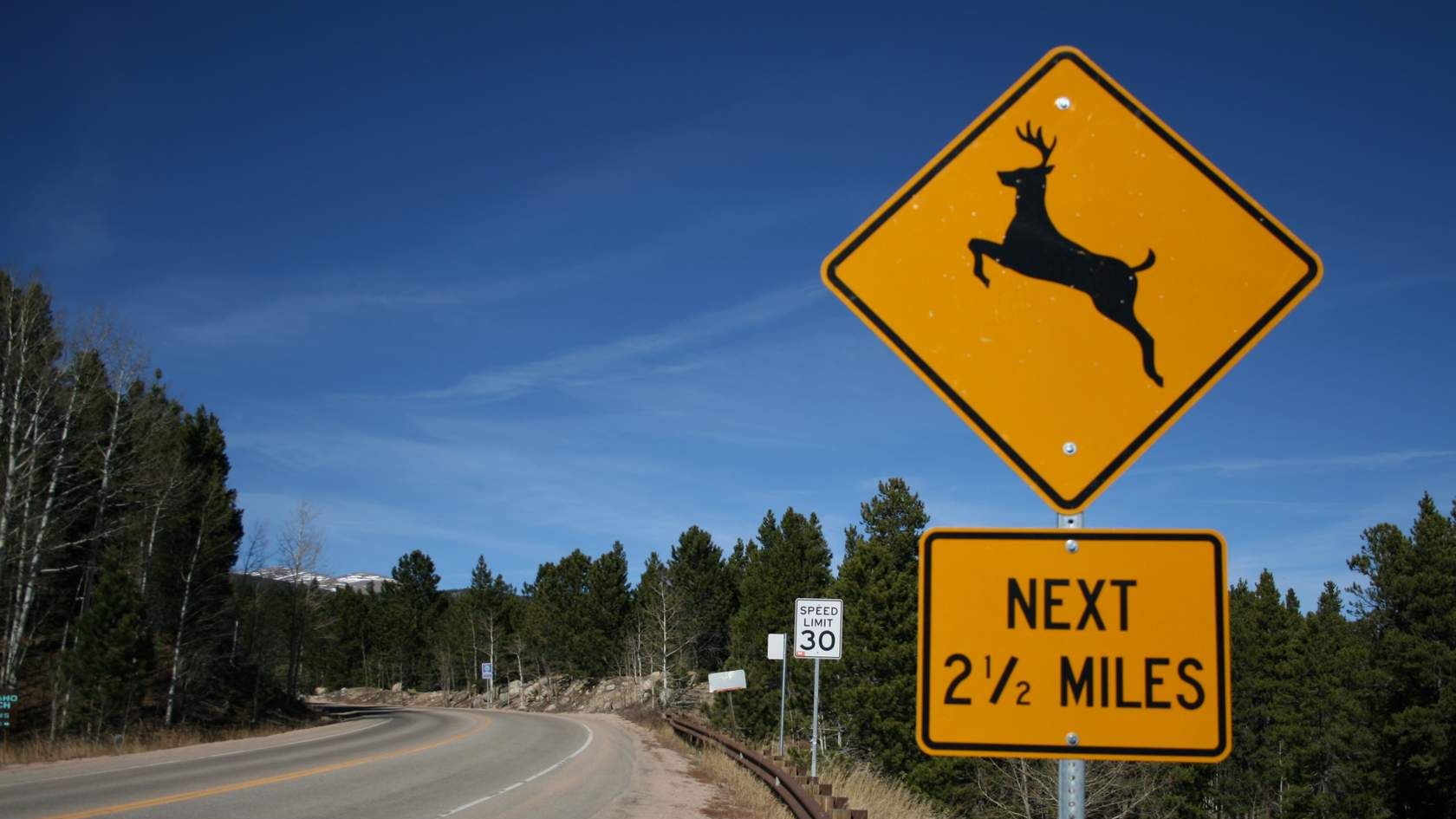
Watch for Warning signs
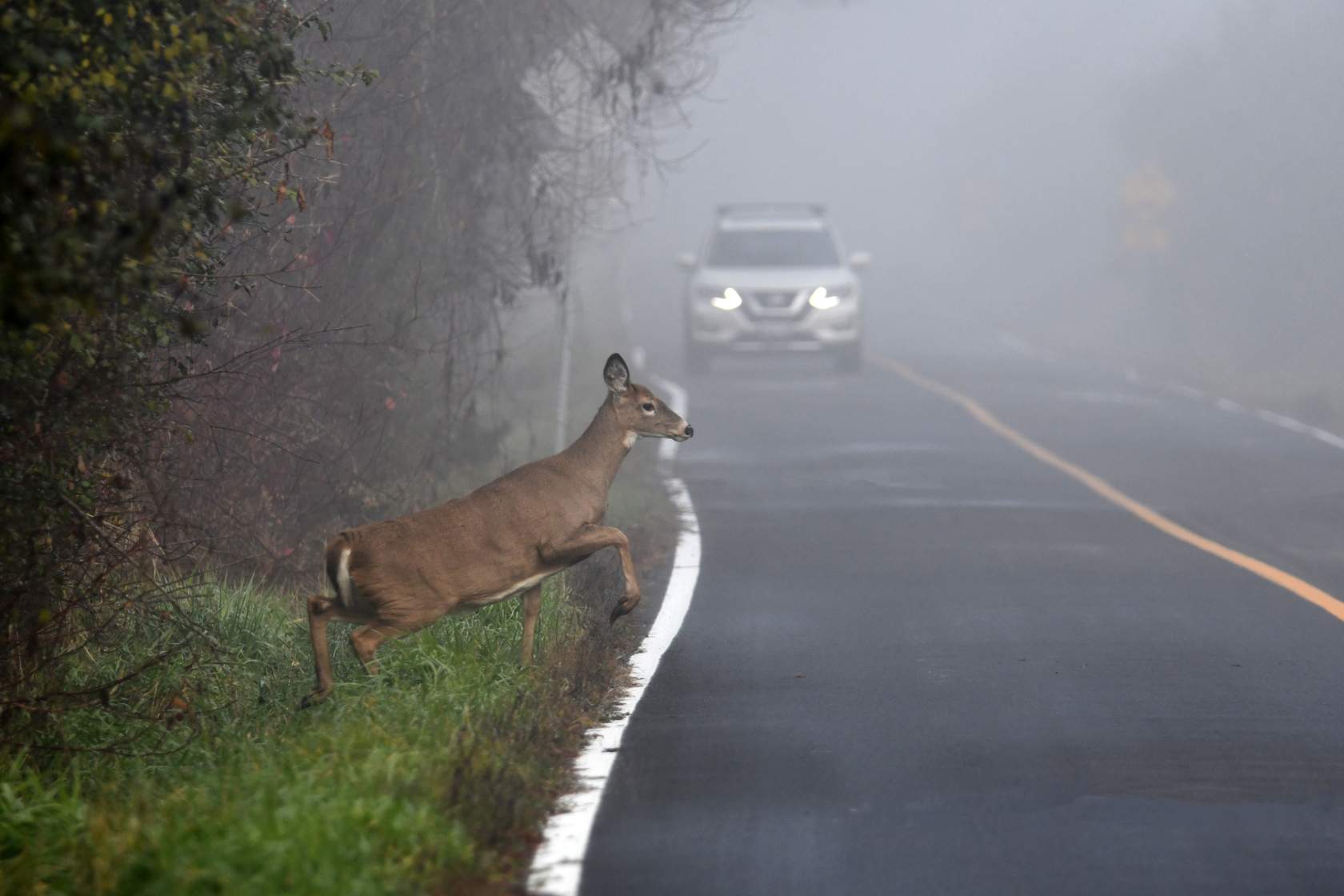
Areas where a lot of animal collisions occur will often have yellow warning signs, indicating an especially hazardous area ahead. If you see one of these warning signs, reduce your speed. Reducing your speed increases how much time you have to stop or avoid a collision. And it will reduce the force of impact if you cannot avoid a collision. When you see the warning signs, be prepared to stop, and consider what you must do if you encounter an animal.
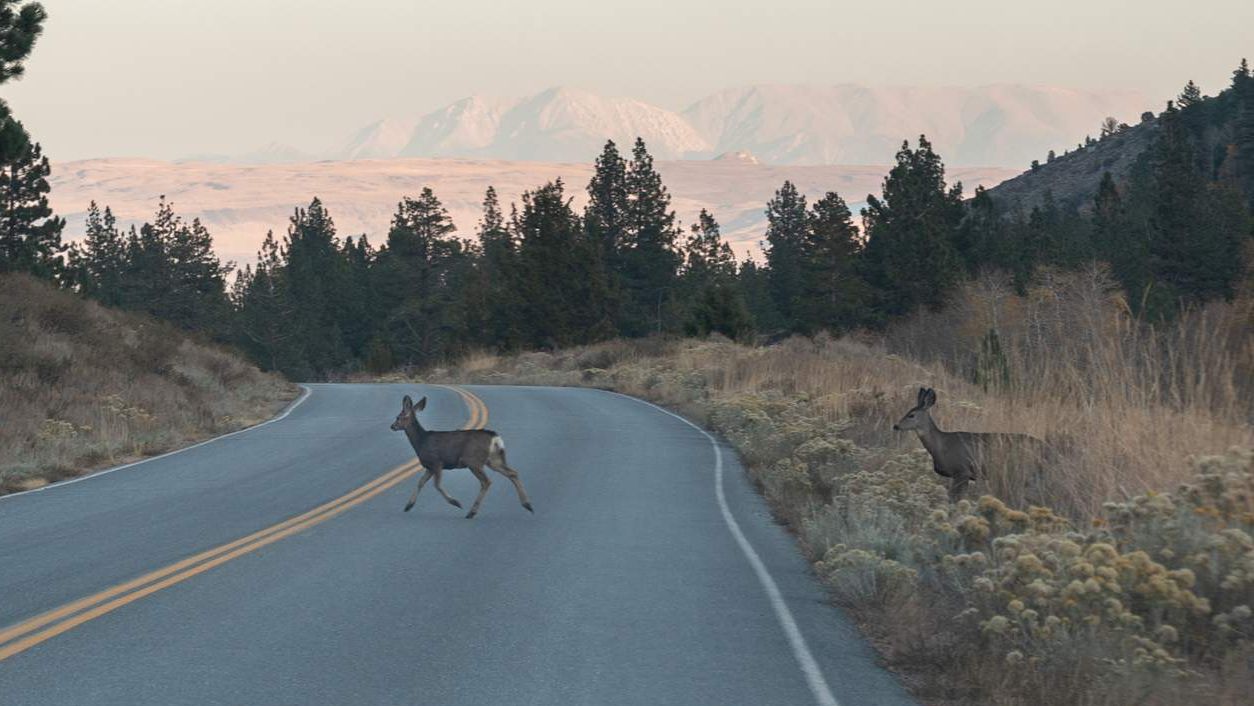
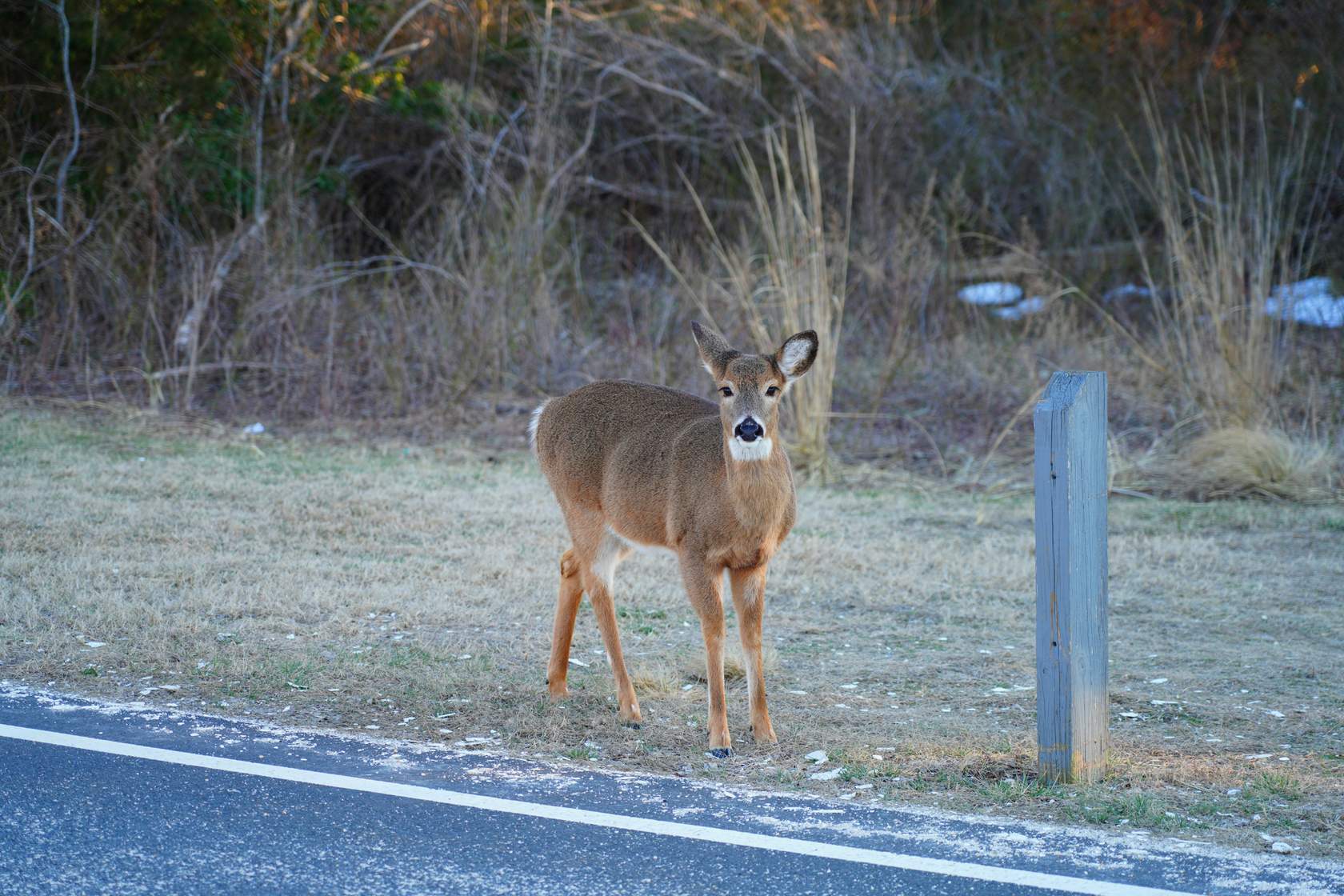
Drive defensively and actively watch the side of the road for any animals or movement. Animals often travel in groups. So, if you see one animal, be on the lookout for others.
Use your high beam headlights
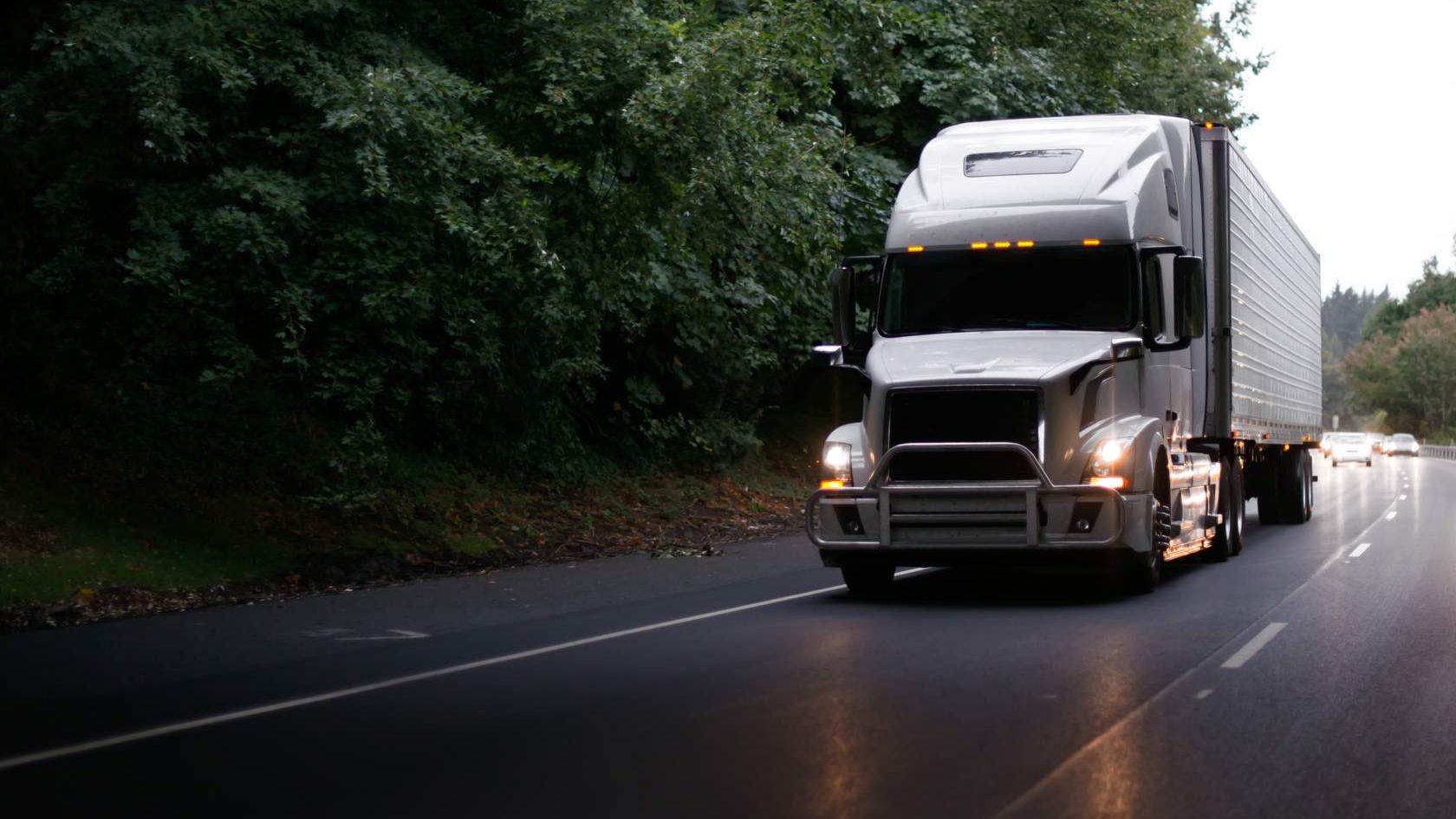
Many collisions with wildlife happen between dusk and dawn. Using your high beam lights when possible increases the area you can see in front of your vehicle, and that gives you more time to react to any incident. But remember, don’t blind other drivers with your high beam lights.
In low light situations, your headlights may reflect off the animal’s eyes before you actually see the animal.
Emerging headlight technology will soon make it easier to see in hours of darkness. Adaptive driving beam will allow you to have high beams on at all times without dazzling other drivers. We recommend inquiring with your company or with your vehicle distributor to include this technology in your next vehicle.
Keep a clean windshield
Make sure your windshield is clean. Anything that reduces your visibility will reduce your ability to spot wildlife in your path.