
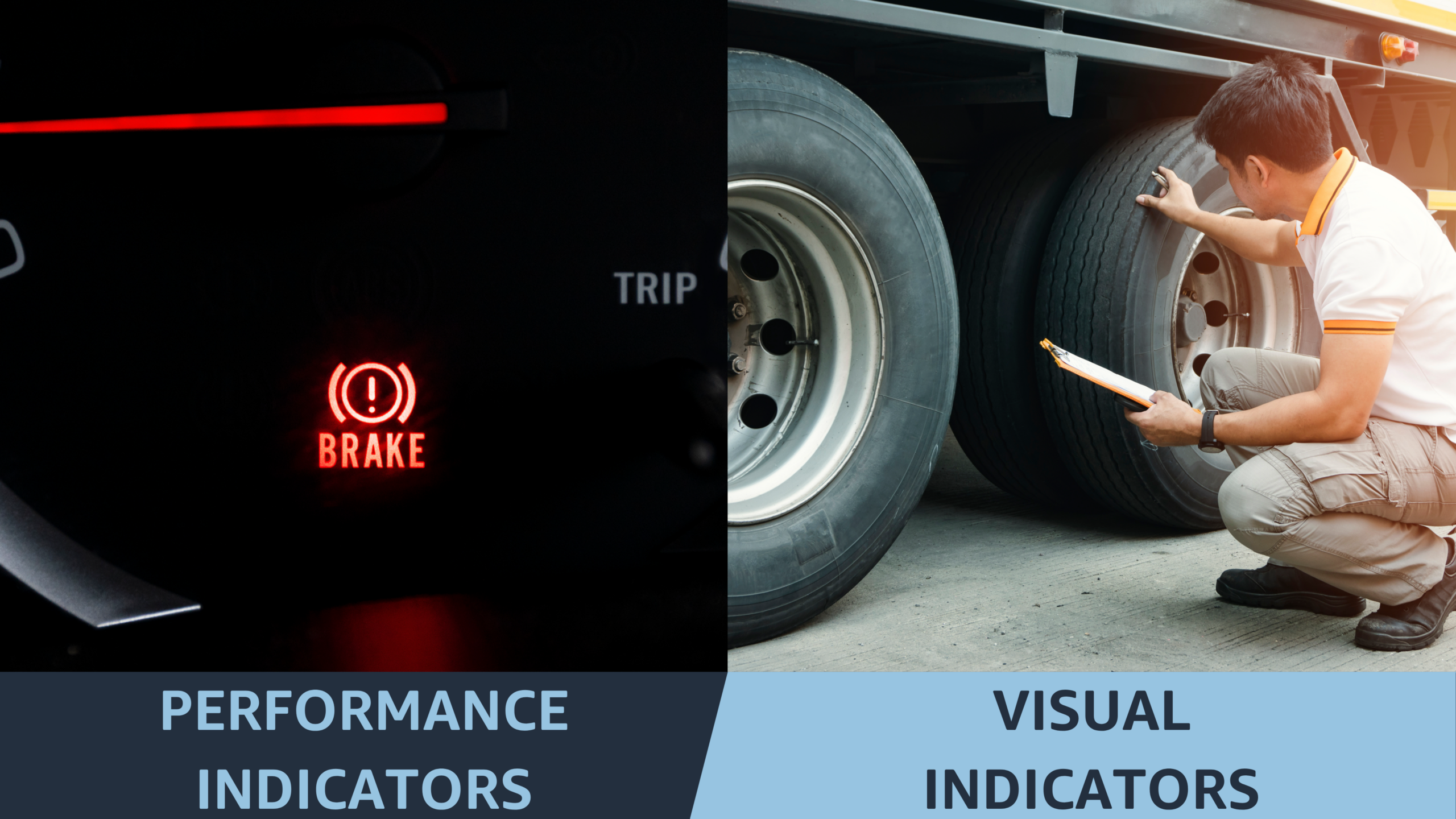
This comprehensive brake maintenance course covers essential aspects of vehicle brake care, servicing, and safety. The curriculum explores recommended best practices for brake system maintenance, key indicators that signal the need for brake servicing, and fundamental techniques for safe driving and braking. Through practical examples and detailed explanations, the course provides valuable insights into brake system care and maintenance procedures that help promote vehicle safety and performance.
This course will take approximately 10 minutes to complete.
This course is mobile friendly. You can take it on your phone or on a computer. Select the cards below for tips on taking this course on your phone.
Regardless of the type of braking system used on the vehicle, it is important to properly inspect and maintain brakes. Doing regular inspections and maintenance will not only ensure that the vehicle stays in operating condition, it will also prevent catastrophic accidents due to brake failure.
Press each (+) marker to learn about the maintenance indicators on your vehicle’s braking system.
Vehicle brakes are a critical component within your vehicle that are used for slowing or stopping your vehicle, or to prevent it’s motion. It is important to note that specific braking systems can vary depending on the equipment. We recommend checking manufacturers’ specifications to ensure optimal equipment conditions. In this section, you will learn about the three types of brakes in your vehicle, and how the braking system in your vehicle is composed.
The three types of braking systems in your vehicle are:
Press the (+) icon to view how the braking system in your vehicle is composed.
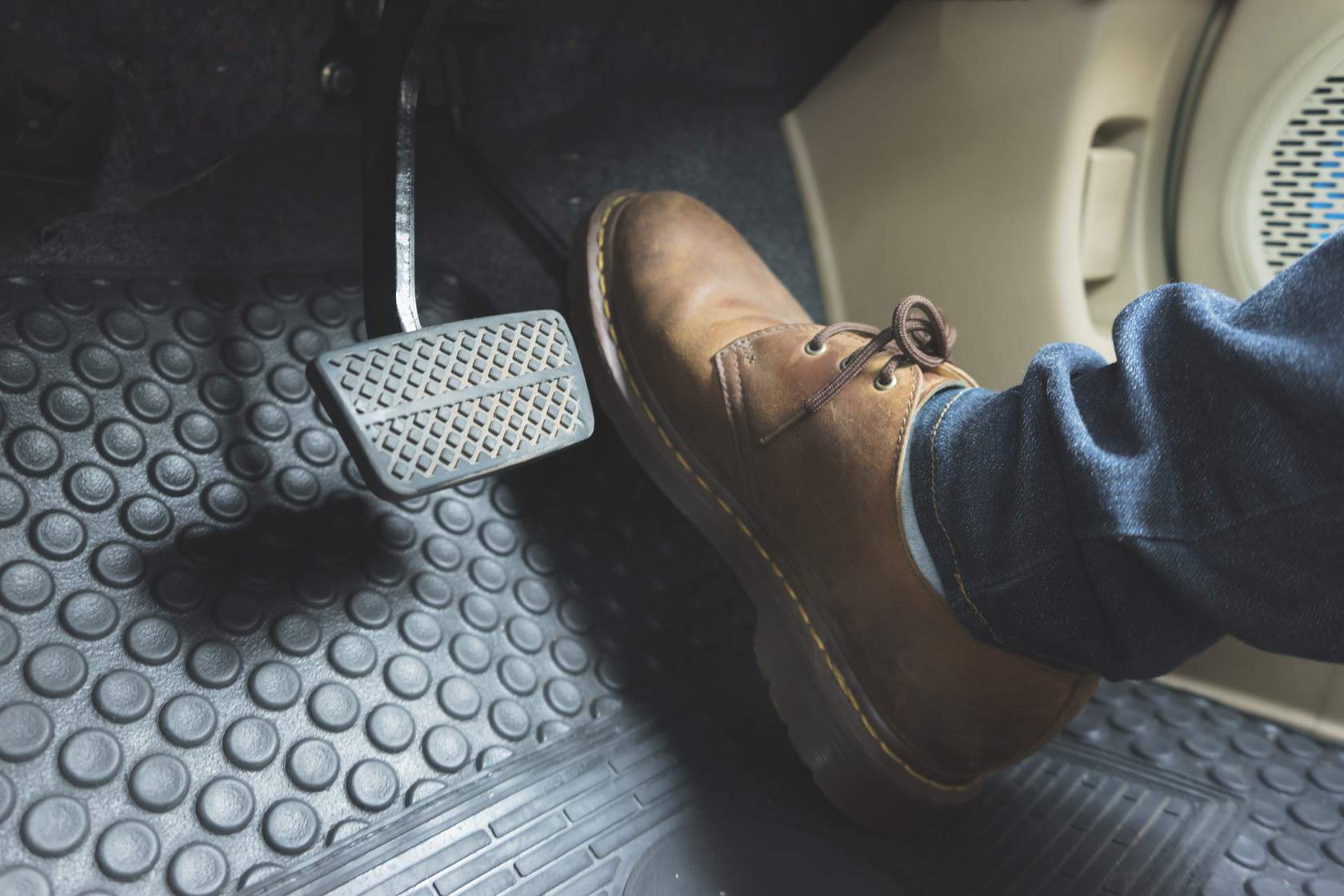
The foundation brakes, also called the brake assembly, are what physically stops a vehicle. They are located at the wheels of the vehicle and contain the mechanical components that form the basis on which the rest of the system is built on. There are different types of foundation brakes but the two main ones used in most vehicles are drum brakes and disc brakes.
Braking Systems
The foundation brakes physically stop a vehicle from moving. However, the force a driver applies to the brake pedal itself needs to be transferred to the foundation brake assembly. This is done one of two methods, either a hydraulic brake system or an air brake system.
Hydraulic braking systems use brake fluid to transfer the force from the brake pedal to the brake assembly.
Air brake systems use compressed air, rather than fluid, to transfer force from the pedal to the brake assembly. The compressed air is stored in tanks. When the brake pedal is pressed, air quickly moves from the tanks and applies the brakes. Most trucks and large vehicles use air braking systems.
In addition to inspecting and maintaining your braking system, it is important to follow driving best practices in order to extend the lifetime of your vehicle’s braking system.
Press the (+) icon to view best practices for using your vehicle’s braking system while driving.