Note: Information in this course outlines key points of Our Standards. It is not exhaustive or intended to be used as a standalone document. It does not reduce, limit, or replace any legal obligation under applicable law.
The following resources can be found at the end of this course:
Amazon’s Supply Chain Standards
Supply Chain Standards Manual
Supply Chain Website
This course will take approximately 20 minutes to complete.
At Amazon, we are committed to providing products and services in a way that respects human rights and the environment, and that protects the fundamental dignity of workers.
We engage with carriers that are committed to these same principles. We are committed to working with carriers to:
improve protections for their workers and workplace;
Our commitment and approach are informed by international standards and frameworks developed by the ILO.
Our Standards apply to all suppliers of goods and services for Amazon and Amazon’s subsidiaries, including Amazon Relay carriers.
Carriers are required to follow all applicable laws and regulations and conform to our Standards. Carriers are required to hold their own subcontractors, recruitment agents, and labor agents to applicable laws and our Standards, and to work with them to adopt and raise awareness of our Standards.
Carriers must conform to our Standards, even when they exceed the requirements of local law.
Carriers must be transparent with us about how they do business and how they treat their workers. Additionally, if we ask, they must provide us with information necessary to demonstrate conformity with these Standards.
There are six key areas covered in Amazon’s Supply Chain Standards that carriers should be familiar with:

Carriers “… must apply our Standards to all workers without discrimination and regardless of workers’ personal characteristics or legally protected status.”
-- Our Standards, p4
Our Standards apply to all suppliers of goods and services for Amazon and Amazon’s subsidiaries, including Amazon Relay carriers.

Carriers “… are required to provide workers with a safe and healthy work environment that avoids harm to workers’ physical and mental health.”
-- Our Standards, p8
Carriers must provide a safe and healthy workplace and they must monitor workers’ potential for exposure to health and safety hazards.
Workers should be trained on safe working practices, including procedures and precautions for working in dangerous conditions or with hazardous materials.
All potential exposures to safety hazards need to be controlled and monitored.
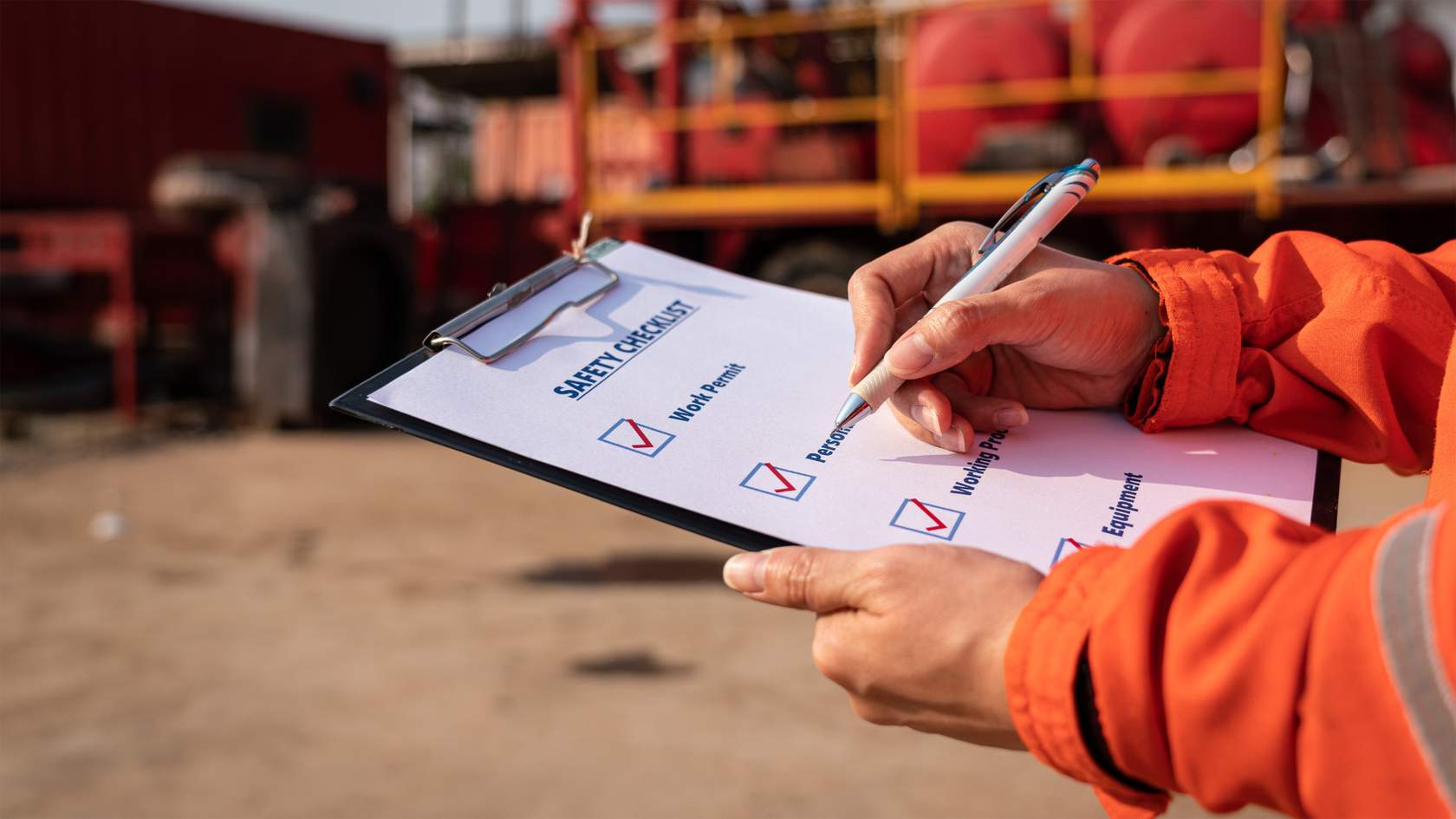
Suppliers must prevent, manage, and track any occupational injuries or illnesses.

Where applicable, workers should be issued with PPE and given training in its use.

Carriers must identify and plan for emergency situations by implementing emergency procedures and training workers annually at a minimum.

Carriers “…should respect the right to a clean, healthy, and sustainable environment.”
-- Our Standards, p9

We encourage carriers to engage in efforts that support environmental sustainability, such as making progress towards integrating environmentally sustainable practices throughout all their operations.
Carriers should comply with local regulations, including when it comes to their vehicles. Some regions have specific laws in order to work there.

Carriers “…must respect the legal land rights of individuals, indigenous people, and local communities…”
-- Our Standards, p10

In situations where carriers use land or natural resources, carriers should ensure they receive consent from affected local communities.
Land and natural resource rights are important. Every carrier must respect the legal land rights of individuals, indigenous people, and local communities and they should not engage in land grabbing or the illegal use of land or natural resources.
Knowledge Check ✅
Take a moment to reflect on what you’ve learned so far.

Carriers “… must not falsify records or misrepresent conditions or practices in the supply chain.”
- Our Standards, p11

Relay carriers must not engage in unethical behaviors with anyone for any reason.

Carriers “… should adopt a management system to drive continuous improvement against these Standards, and maintain compliance with applicable Laws.”
- Our Standards, p11
Improving management systems is critical to ensuring high standards throughout our supply chain. Components of effective management systems include:
Every carrier should maintain a process for timely remediation of non-conformance with our Standards and are required to create, retain, and dispose of business records in compliance with local legal requirements and to demonstrate conformity with these Standards. Carriers are responsible for reviewing and complying with all legal requirements.
Management systems are critical to ensuring high standards throughout Amazon’s supply chain.

Carriers should have representatives responsible for implementing management systems that oversee compliance.
Senior management must also routinely review and assess the quality and efficiency of the management systems and programs.

Carriers are required to continuously monitor and enforce these Standards in their own operations and supply chain.

We recommend carriers develop and track performance objectives, targets, and implementation plans, adopt self-evaluation mechanisms, and drive continuous improvement.
They should also provide suitable training to all staff to implement our Standards, including communicating our policies and expectations to workers.

Every carrier needs to create, maintain, and dispose of all business records in compliance with local laws, maintaining confidentiality as needed.

Knowledge Check ✅
Take a moment to reflect on what you’ve learned so far.
Amazon may audit Relay carriers during onboarding and periodically thereafter. Audits are a tool to help suppliers identify and address issues related to our Standards. Throughout the audit process it’s essential that carriers are transparent.